
Pranayama
A traditional and progressive approach to Pranayama, introducing students to the philosophy, principles and techniques of conscious breath regulation.
Pranayama Timings
Pranayama
Initially, Sheshadri and Harish begin Pranayama with an introduction and philosophy to provide students with an understanding of its methods and techniques, so that they can appreciate the depth of the practice.
Prana means universal vital force. Ayama means extension or expansion. The word Pranayama means “extension or expansion of the dimension of Prana”. It is a deliberate yogic technique involving the slowing down or regulation of the movement of inhalation and exhalation, including appropriate breath retentions.
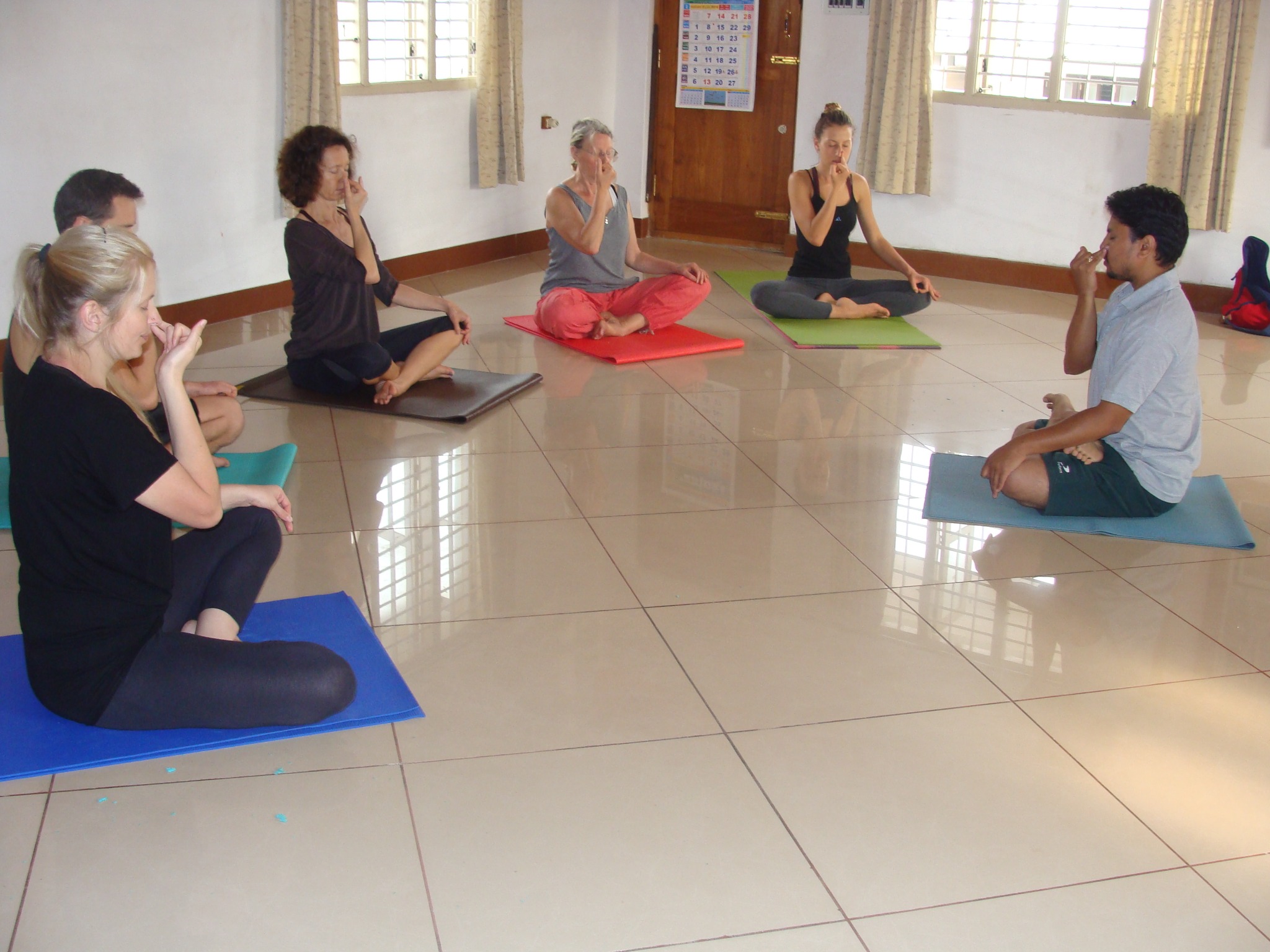
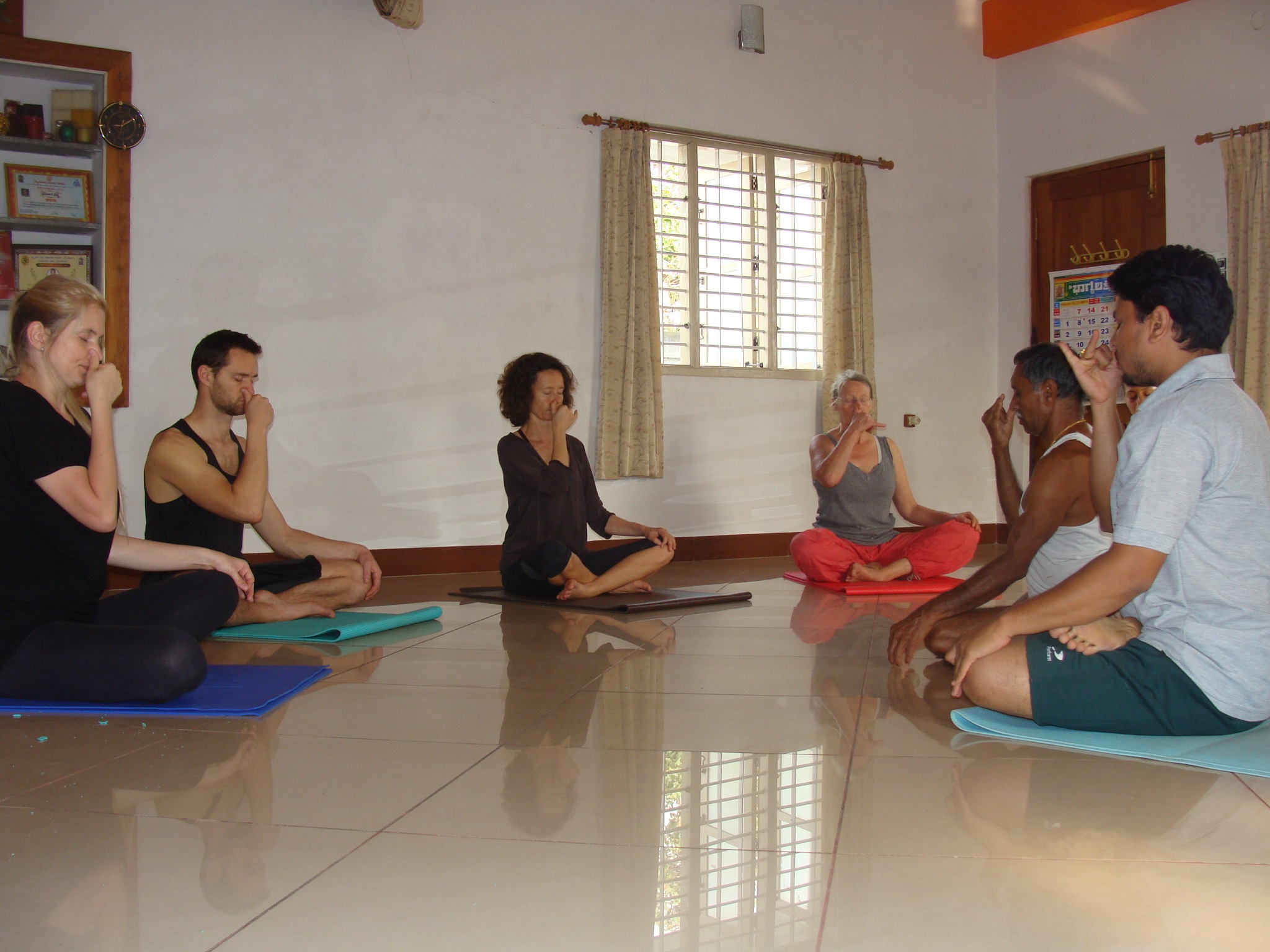
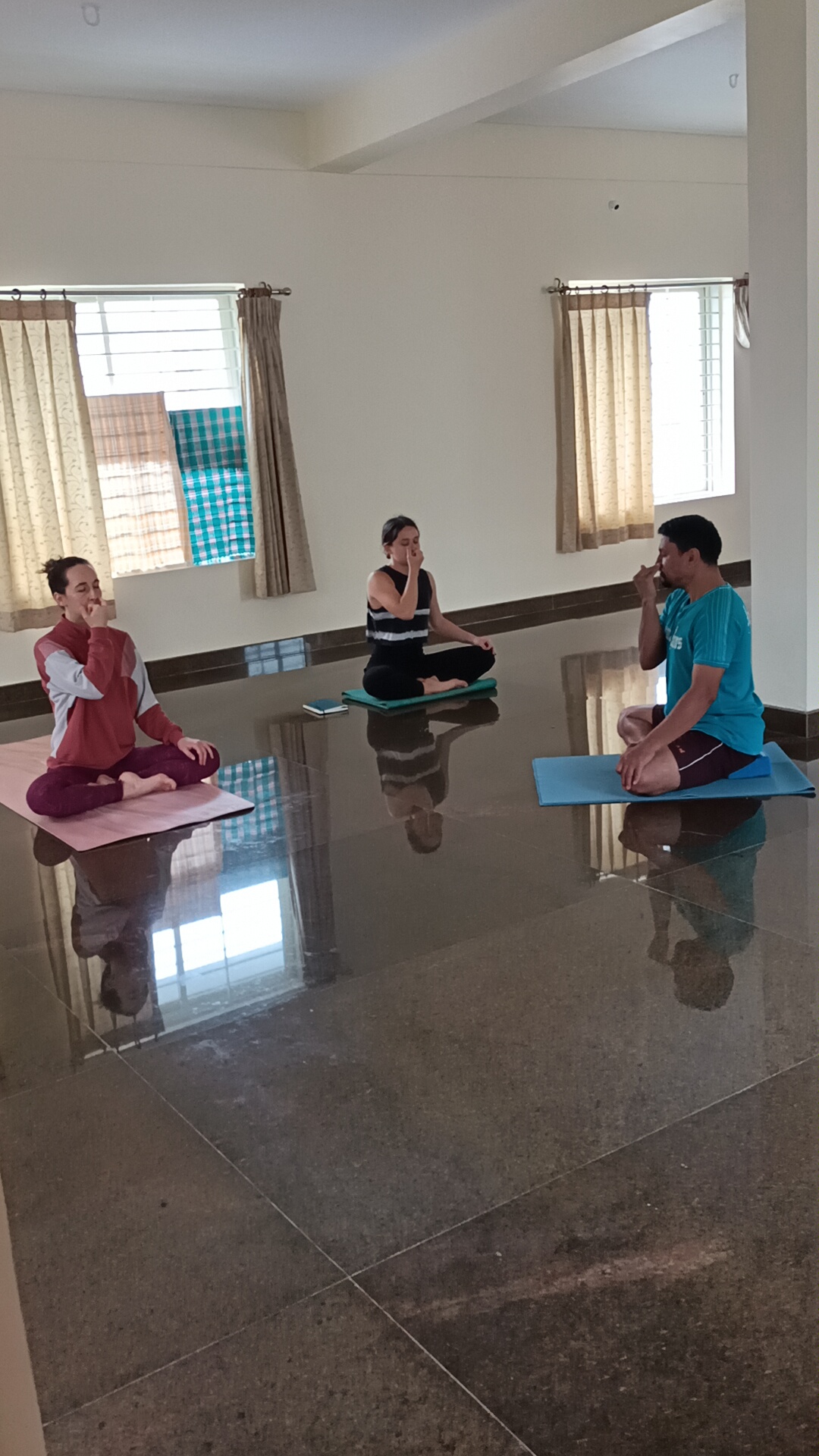
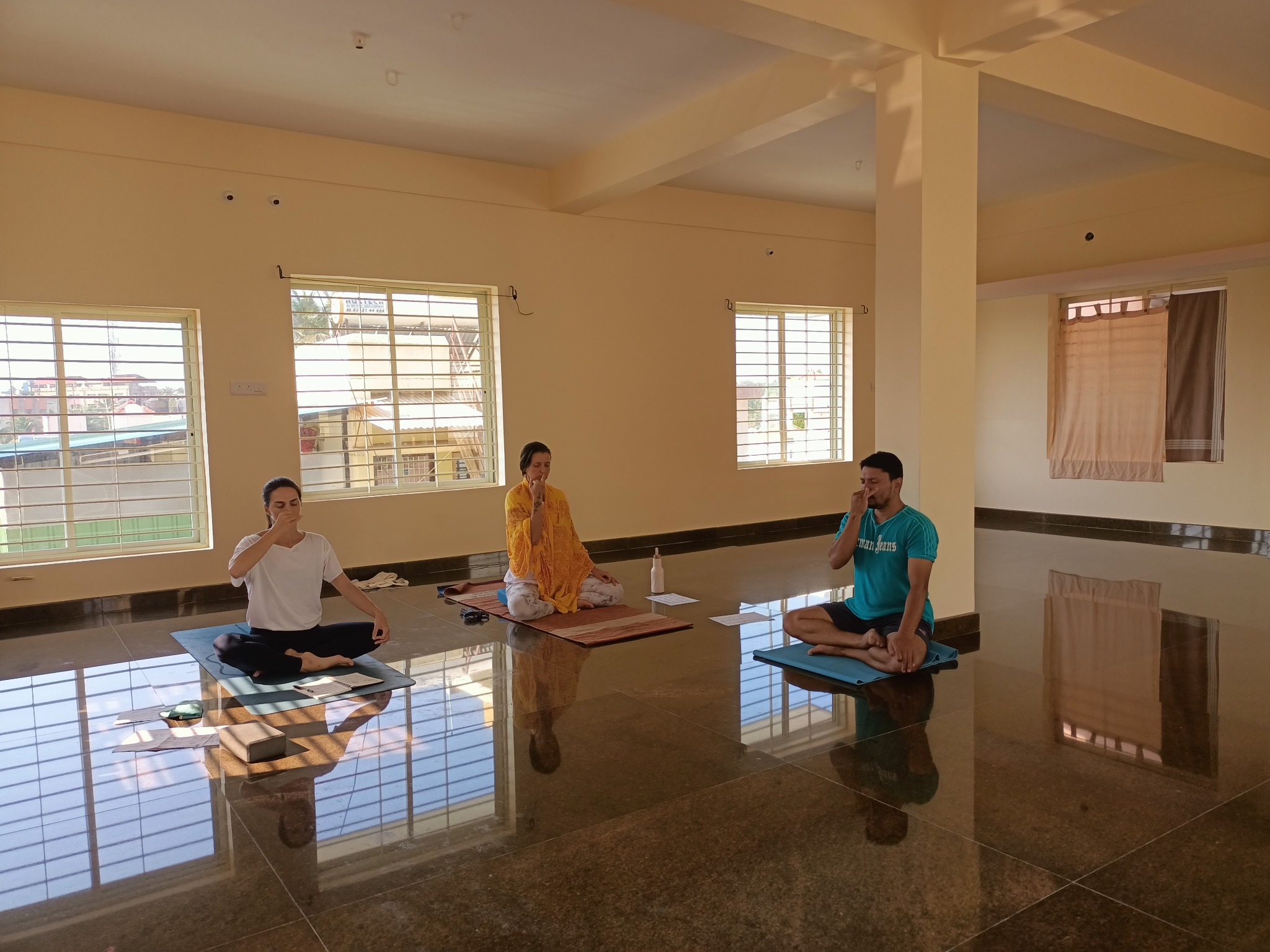
Traditionally, it was believed that Pranayama should only be practiced by individuals who had years of experience with Asanas. This was based on the idea that a strong foundation in physical postures was necessary before engaging in Pranayama.
However, modern research has shown that Pranayama can be practiced by individuals at all levels, even beginners. Its benefits are profound, as it helps in balancing pranic energy, promoting mental well-being, reducing stress, and supporting spiritual growth. In fact, Pranayama is now recognized as a powerful practice for enhancing overall well-being, irrespective of one's experience with Asanas.
Components of Pranayama
Puraka | Inhalation
Puraka, or inhalation, is the conscious intake of breath.
Rechaka | Exhalation
Rechaka, or exhalation, is the conscious release of breath.
Antar Kumbhaka | Internal Retention
Antar Kumbhaka refers to retention of the breath after inhalation.
Bahir Kumbhaka | External Retention
Bahir Kumbhaka refers to retention of the breath after exhalation.
Traditional Guidance, Progressive Practice
- ✦Traditional Foundation
Pranayama is introduced through its traditional principles, philosophy and methods.
- ✦Progressive Learning
Practices are introduced gradually according to the student's level and experience.
- ✦Personal Guidance
Sheshadri and Harish provide individual attention and guidance throughout the practice.
- ✦Awareness & Understanding
Students are encouraged to understand the relationship between breath, body, mind and Prana.
- ✦Consistent Practice
Regular practice helps students gradually develop greater awareness, steadiness and concentration.
Begin Your Pranayama Practice
Join PAVY Shala for guided Pranayama practice in a traditional learning environment, with personal attention from Sheshadri and Harish.
Enquire / Register